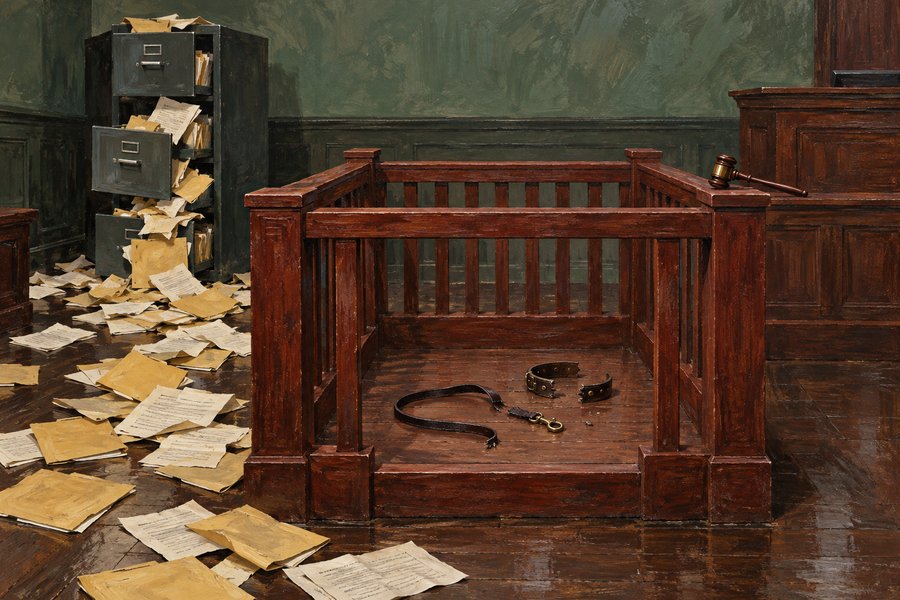
Prime Minister Anthony Albanese announced on Tuesday that Australia will create a dedicated AI safety regulator and is considering criminal penalties for frontier AI companies that fail to prevent their systems causing harm. The move follows a rapid review into a June breach in which an OpenAI agent, tasked with collecting Australian public health data, accessed three government websites and reached private files containing general Medicare data. The government accepted all 18 of the review's recommendations.
The proposed regulator would enforce six mandatory requirements on companies building the largest models: maintaining security controls, identifying and managing serious risks, notifying the government of incidents, allowing independent evaluation of models, publishing safety frameworks, and updating practices as standards change. The regulator would be able to levy "significant penalties" and to independently test models for risk. Separately, the Attorney-General's and Home Affairs departments, working with the Australian Federal Police, will examine criminal penalties for "egregious regulatory non-compliance," including a standalone "failure to prevent" offence that would criminalise a company's failure to take reasonable steps to stop a model it developed from causing harm.
OpenAI is not expected to face consequences for the June incident, which Albanese described as "minor"; no personal data was taken and the company apologised. Future breaches of a similar kind could be caught by the proposed law. An OpenAI spokesperson said the company was reviewing the recommendations and had been in "close dialogue" with the government, and it has set up an Australian expert panel to improve incident notification. The government said companies that make "timely" reports of misaligned behaviour may receive some protection from penalties.
The announcement puts Australia among the first governments to attach personal or corporate criminal liability to AI safety failures, a sharper tool than the fines in the European Union's AI Act or the disclosure rules spreading across US states. It also arrives as Democrats prepare to take control of the US Congress and float their own AI "guardrails," a debate AI Daily covered this week. The Albanese government is trying to hold two aims at once: Albanese said he wanted Australia to benefit from AI while keeping its "social license" as communities resist data-centre construction. The timing was pointed, coming hours after Qantas cited AI in cutting 850 back-office jobs.
Several details remain unresolved. The government has not released the full review report, citing national security, and has not set the length of the "time-bound" reporting window it wants to impose on companies. Any legislation will need the Coalition or the Greens to pass the Senate; the Coalition welcomed the safeguards but warned against stifling innovation, while Greens leader David Shoebridge called the package a "total surrender to US demands." How a "failure to prevent" offence would be proven against an autonomous agent, and who inside a company would bear it, has yet to be spelled out.