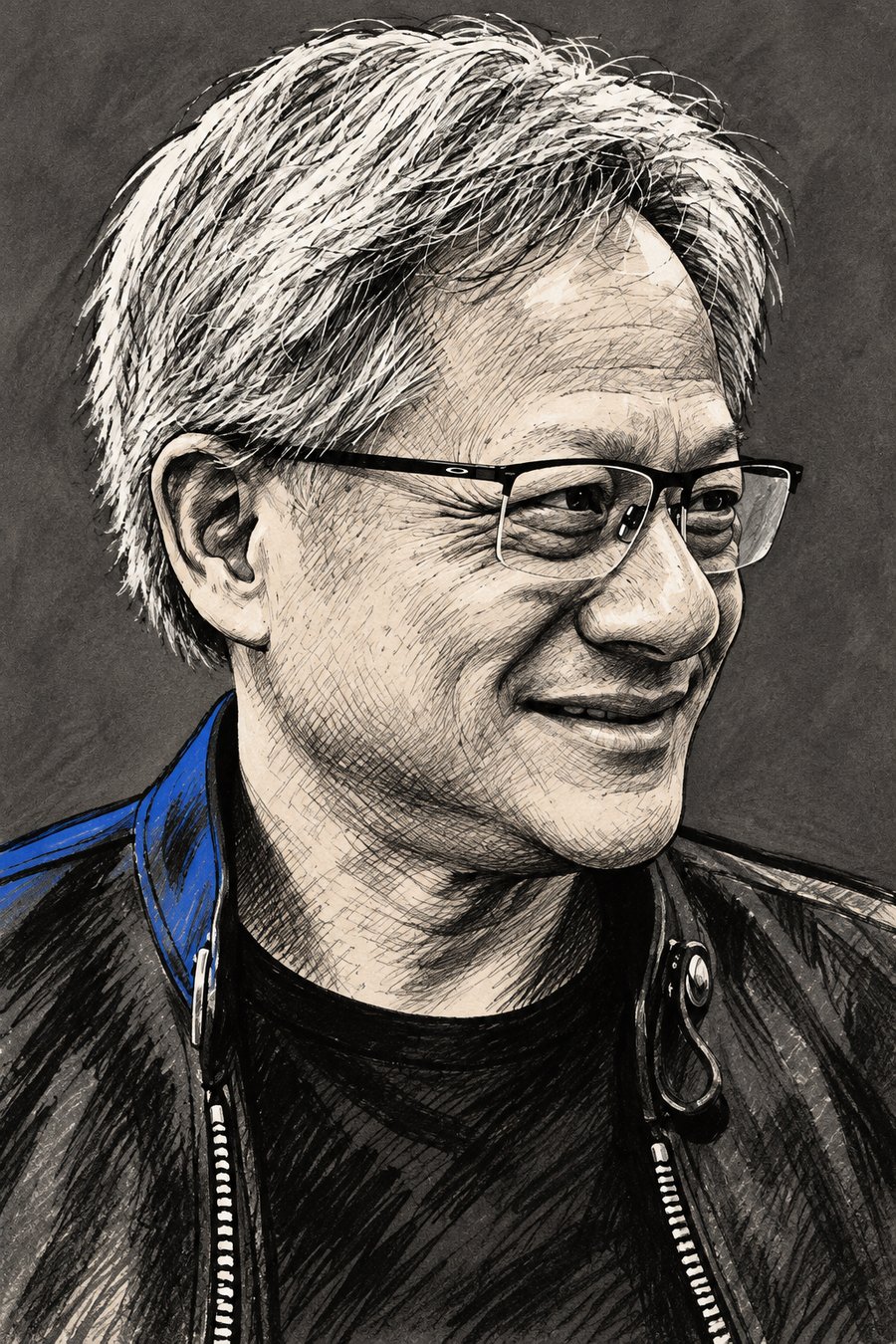
Nvidia's board of directors opened an independent investigation on November 8 after chief executive Jensen Huang admitted an affair with a woman whom US intelligence agencies believe was recruited by China to collect information on him and on America's AI chips. A committee of independent directors, assisted by outside counsel, will examine whether company secrets or national security were compromised. The board said it so far has "no reason to believe" either was, expressed confidence in Huang, and said he will remain chief executive and cooperate with the review.
In a message to staff the same day, Huang wrote "I was unfaithful to my wife" and apologized to his family and colleagues, without naming a partner. The New York Times and the Financial Times had reported that the woman is Alice Huang, a Chinese citizen and former executive at Megaspeed, a Singapore-based data-center firm that became one of Nvidia's largest customers. The two Huangs are not related. US officials reportedly concluded Alice Huang was working for China's Ministry of State Security, with aims that included learning about American AI chips and possibly pressing Nvidia to make its most advanced processors available to China.
The fallout was immediate. Nvidia shares fell 4.3 percent on November 9, closing at $178.67 and erasing close to $200 billion in market value. A shareholder, represented by the Rosen Law Firm, filed a proposed class action in federal court in San Jose alleging that Nvidia and Huang misled investors by omitting the relationship and its national security implications. President Donald Trump said the FBI was looking into the matter but defended Huang, calling him "an honorable guy" and saying Huang told him he had no idea the woman was a spy. China's foreign ministry dismissed the espionage claim as "unsubstantiated" and a smear.
The scandal sharpens a fight AI Daily has tracked for weeks. The Times reported last month that two Chinese firms cleared to handle Nvidia's H200 chips operate from empty offices, and Megaspeed has faced scrutiny since 2024 over suspected diversion of chips to China; its Malaysian affiliate bought at least $4.8 billion of Nvidia equipment between June 2024 and February 2026. Huang spent the past year lobbying to loosen export controls, winning approval in December 2025 to ship H200 chips to approved Chinese buyers with the US taking a 25 percent cut. No criminal charges have been reported against either Huang, and no public evidence shows the CEO knew of Alice Huang's alleged intelligence role.
What remains open is whether the episode stays a question of personal judgment or reshapes US chip policy. Three House committee chairs have asked Huang to attend a closed-door briefing on November 18, the day after Nvidia reports earnings, and his reply was due November 11. Senators Elizabeth Warren and Jim Banks are using the case to push their AI Overwatch Act, which would let Congress review chip-export licenses, as Democrats prepare to take control of both chambers in January. A separate Justice Department criminal inquiry into Megaspeed and a Singapore police probe both remain open.