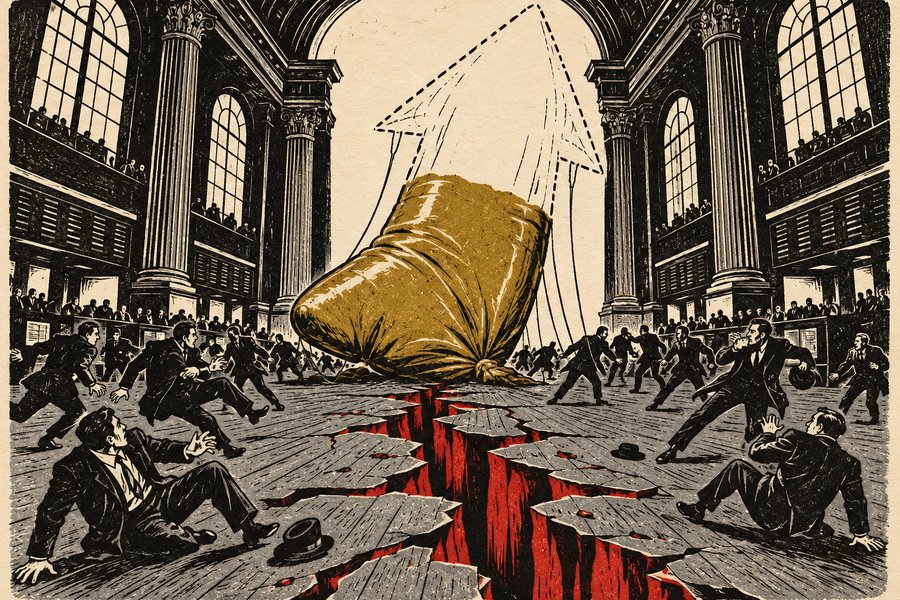
A selloff in AI-linked stocks wiped out more than $2 trillion in market value on Thursday, 6 November, the day investors absorbed the scale of the Democratic midterm sweep and its threat to the data-center buildout. The tech-heavy Nasdaq fell more than 5%, its worst single day since the pandemic, and the drop set the stage for Anthropic to trim the valuation it is seeking in a Nasdaq debut expected in mid-November, from a $2 trillion figure floated in October to between $1.2 trillion and $1.3 trillion, according to CNBC and Bloomberg.
The trigger was political. Candidates who promised tougher AI rules won governorships in Michigan, Ohio, Texas and Georgia, and local communities passed 40 of 41 ballot measures restricting data centers. More than half of voters told an NBC News exit poll that data centers were a crucial or major factor in their vote. Investors read the result as a signal that a Democratic-controlled Congress and a wave of new state officials could slow or block the plants that OpenAI, Anthropic and the hyperscalers need to train and serve their models.
The losses were broad and concentrated in the companies most tied to the buildout. Nvidia fell 9.3%, AMD 17.3% and Micron 17.5%, while neoclouds such as Nebius, Iren and CoreWeave dropped 10% to 17%. The rout spread overseas: Japan's Nikkei entered bear-market territory, South Korea's Kospi fell more than 8% and triggered a trading halt, and Taiwan's TAIEX dropped 9%, with chipmakers Samsung, SK Hynix and TSMC among the hardest hit. Markets steadied on Friday, with the Nasdaq 100 closing up 1.1%, but most of Thursday's unease remained.
Anthropic goes public into that climate. Its amended prospectus discloses purchase and lease commitments of about $895.4 billion, almost all for compute and infrastructure, and warns that organized opposition to data centers has become a business risk. The company is reportedly in line for a high junk credit rating. OpenAI, which is not going public, also lowered its own fundraising valuation to $1.25 trillion from $1.4 trillion and cut its latest raise by about $10 billion.
Beneath the politics sits a demand question that predates the election. Spending data from the corporate card company Ramp shows AI token spend grew just 1.5% across August and September, after a 42% monthly jump in July. Ramp's lead economist, Ara Kharazian, attributes the stall not to falling usage, which is rising, but to price wars: OpenAI halved API prices on its GPT-6 Sol and Luna models in September, and Anthropic said in a filing that its own cuts to Fable 5.1 and Opus 5.5 pricing reduced revenue growth by about $600 million. Cheaper models, enterprise discounts and thriftier customers are capping revenue even as volumes climb.
Analysts disagree on what the week means. Barclays strategist Dominique Toublan called the pushback "bipartisan but local," arguing it makes the buildout pricier rather than stopping it and shifts the race "from a prisoner's dilemma to a war of attrition" that favors the biggest balance sheets. Economist Ed Yardeni dismissed the drop as "speed bumps" that could keep a bubble from overheating. Wedbush's Dan Ives took the opposite view, writing that the midterms will slow the planned 800 to 1,000 US data centers and pull forward the peak in Big Tech capital-spending growth to 2027. What remains unverified is how many projects newly elected officials can actually block, and whether the spending slowdown Ramp sees is a plateau or a pause.